
Self Rescue Course in Málaga
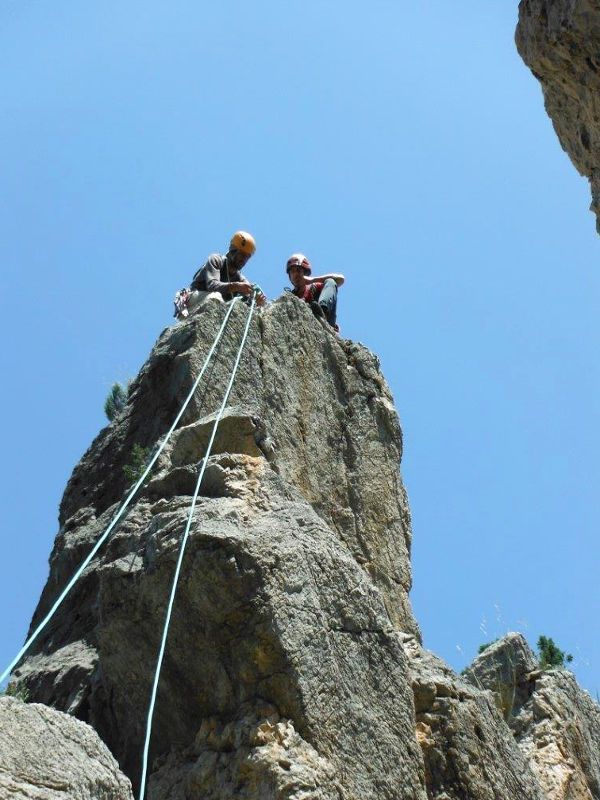
Rock climbing is by its very nature a risky sport, and an accident can happen to any climber, anytime. If you are not trained to deal with it, a minor problem can easily become a deadly situation where somebody gets seriously hurt or dies. Self-Rescue is an absolutely essential skill and the more knowledge you have the better the outcome will be in any real rescue situation.
If someone you were climbing with was injured would you know what to do to get safely back to the ground? Whether you are leading or seconding knowing the basic skills involved in a rescue are extremely important for any multipitch climber.
Our comprehensive Self-Rescue Course in Málaga will teach you basic rescue skills while climbing, using only the minimal gear you have on your rack, so you can help avert a full-blown rescue. More importantly we will teach you to avoid the common mistakes that lead to accidents, and how to prevent problems before they happen. For anyone who climbs, this course is mandatory.
Rock climbing is by its very nature a risky sport, and an accident can happen to any climber, anytime. If you are not trained to deal with it, a minor problem can easily become a deadly situation where somebody gets seriously hurt or dies. Self-Rescue is an absolutely essential skill and the more knowledge you have the better the outcome will be in any real rescue situation.
Self Rescue Course Content
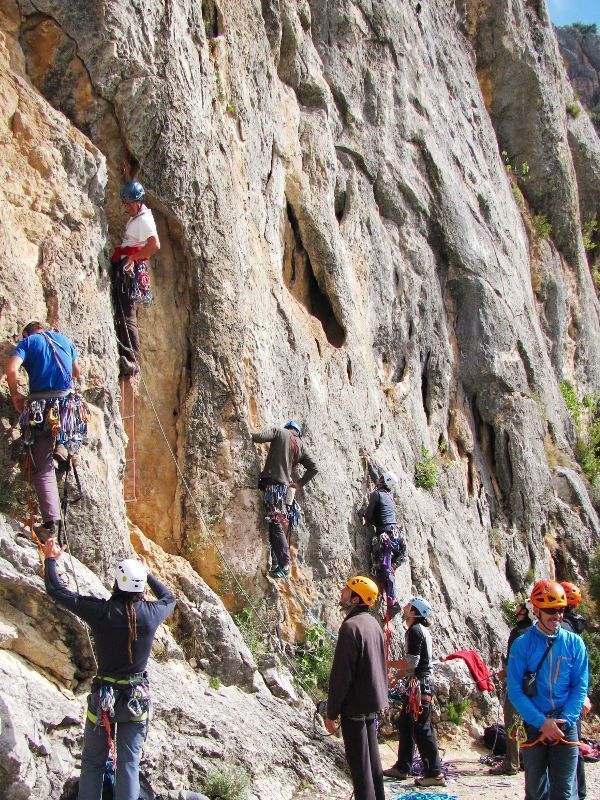
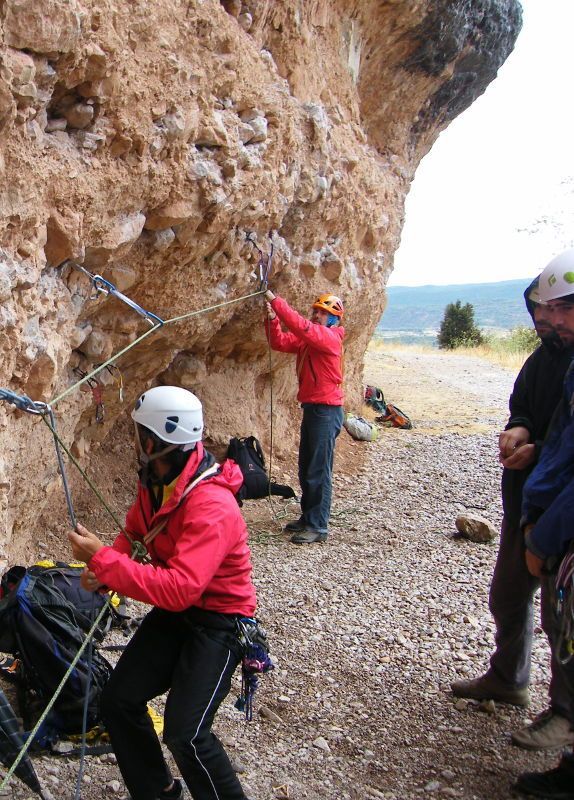

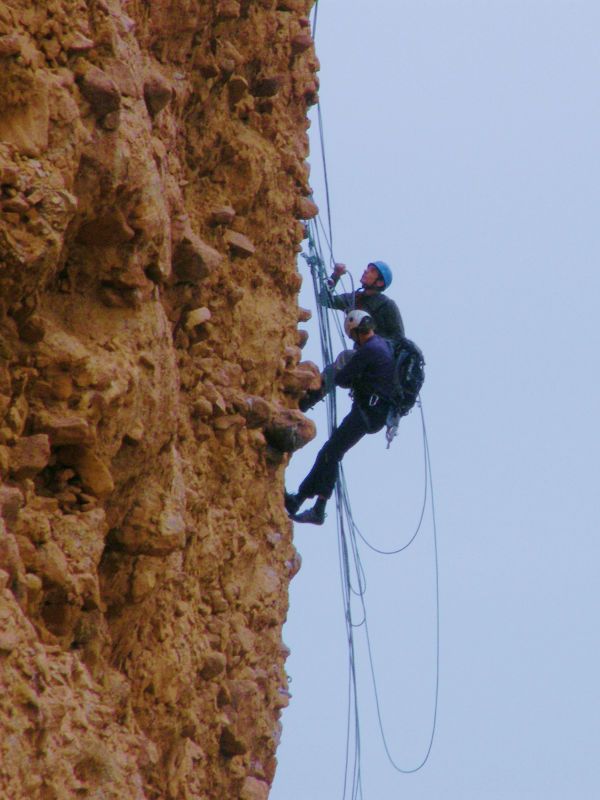
The following are the very basics you’ll learn on one of our Self-Rescue Courses; based on course duration and your prior experience we can cover much more. If you’re an advanced climber looking to train a specific aspect of Self-Rescue we’re always happy to tailor an individual course to your needs. Luis has trained hundreds of climbers in Self-Rescue over the years and has been personally involved in several successful life or death rescues where his experience has got everyone down to safety.
- Risk management for rescue avoidance
- Basic rescue knots and hitches
- Escaping the belay
- Safely passing a knot
- Lowering on damaged or tied ropes
- Improvised rope ascending systems
- Rescuing an injured leader or second
- Setting up raising/lowering systems
- Assisted and counterweight rappels/abseils
- Evacuation procedures